
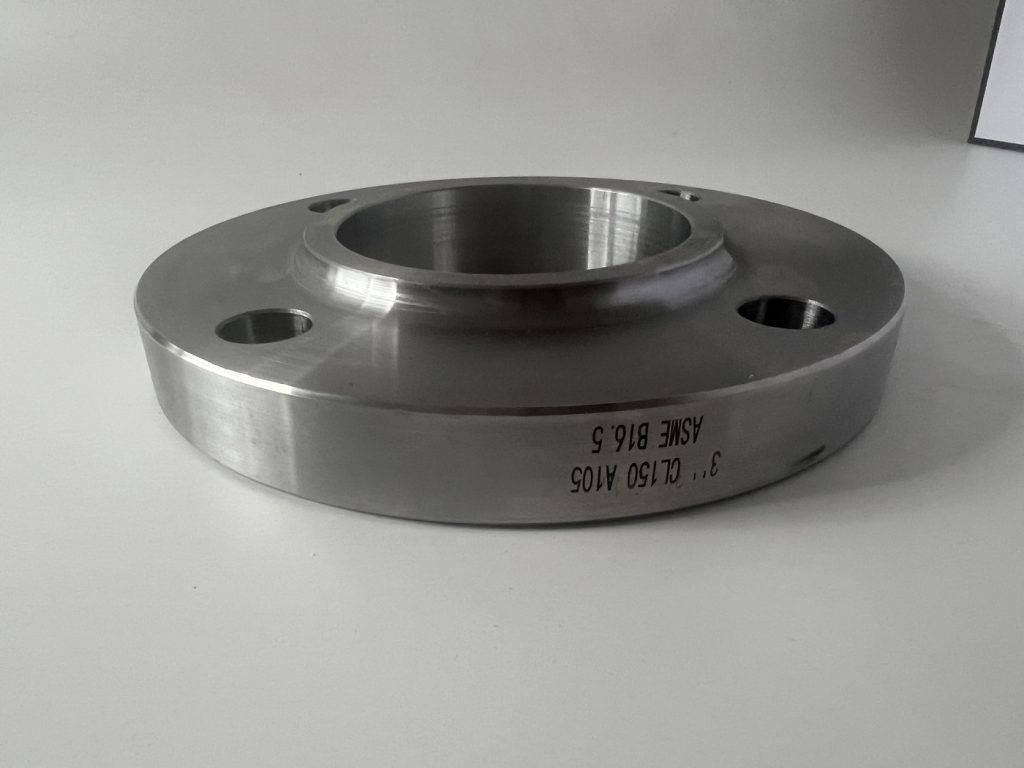
Flange Faces: RF, FF and RTJ, and the 1.6 mm Raised Face
A raised face is 1.6 mm on Class 150 and 300 and 6.4 mm for Class 400 and above, and the class moves the bolt pattern with it. What the three faces are for, and what the order has to state.
Notes from a working flange and fitting supply desk: how ASME and ASTM standards are applied on real orders, which documents Gulf customs ask for, and how to read a mill certificate or a stamp before you accept the goods.
A raised face is 1.6 mm on Class 150 and 300 and 6.4 mm for Class 400 and above, and the class moves the bolt pattern with it. What the three faces are for, and what the order has to state.
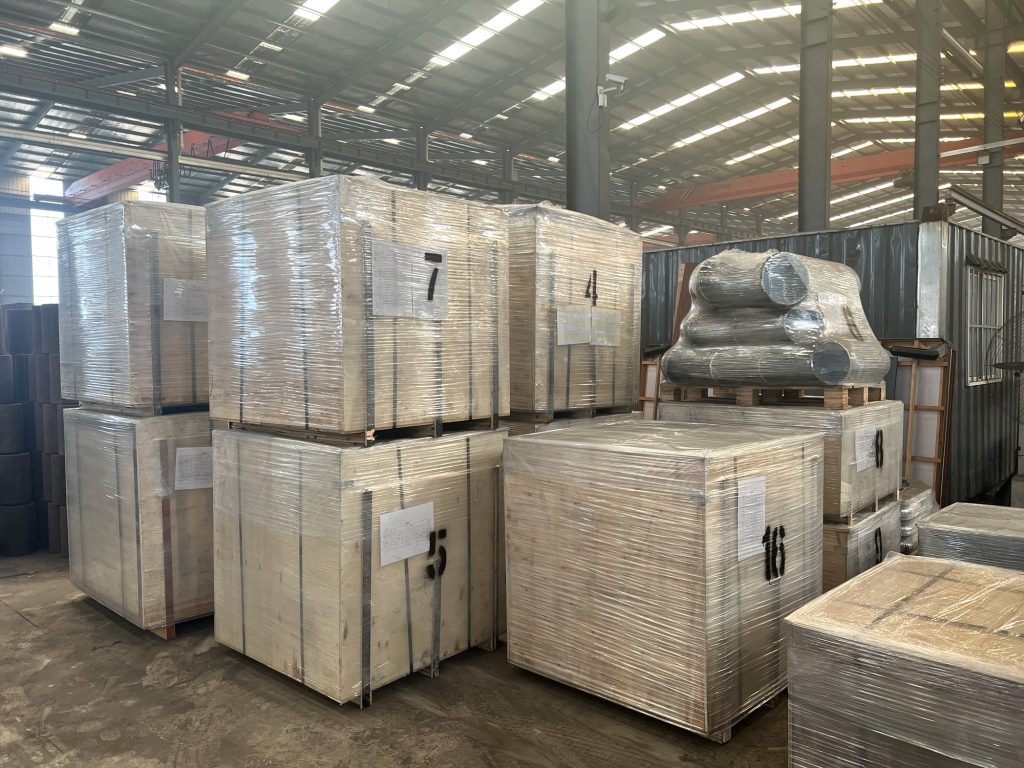
What an Oman import entry costs, why the HS code needs twelve digits, who can file on Bayan, and where the free storage days go before the yard releases the box.
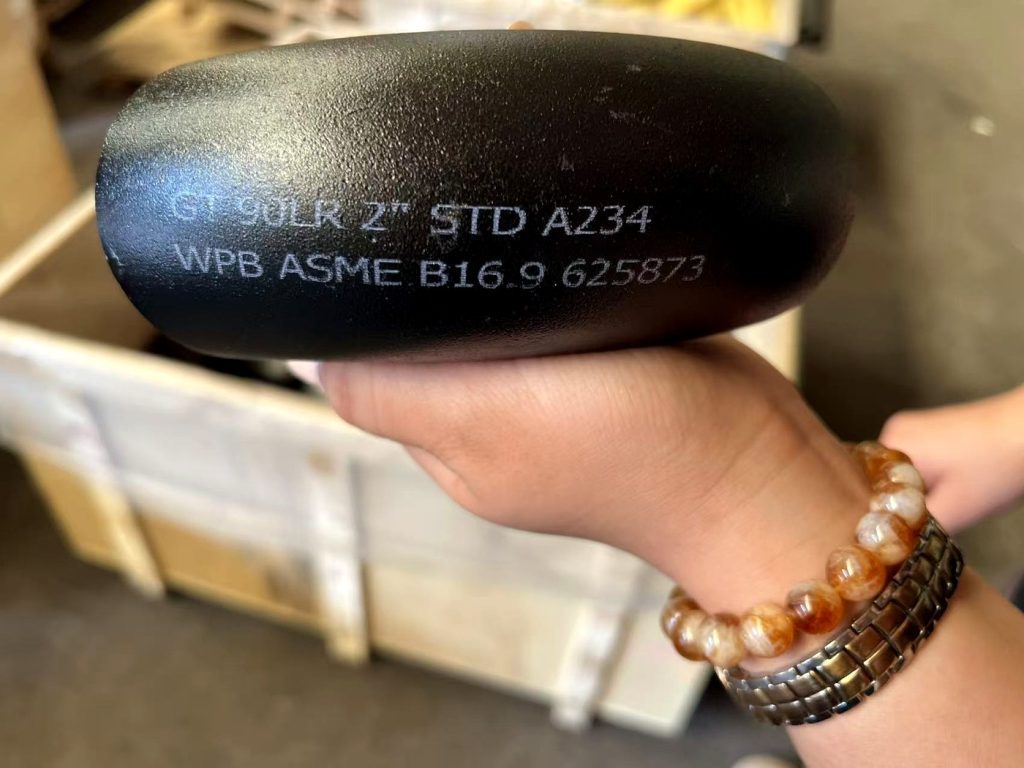
Every character stamped on a flange or fitting carries a decision: size, class, grade, wall thickness, heat number. What each one means.
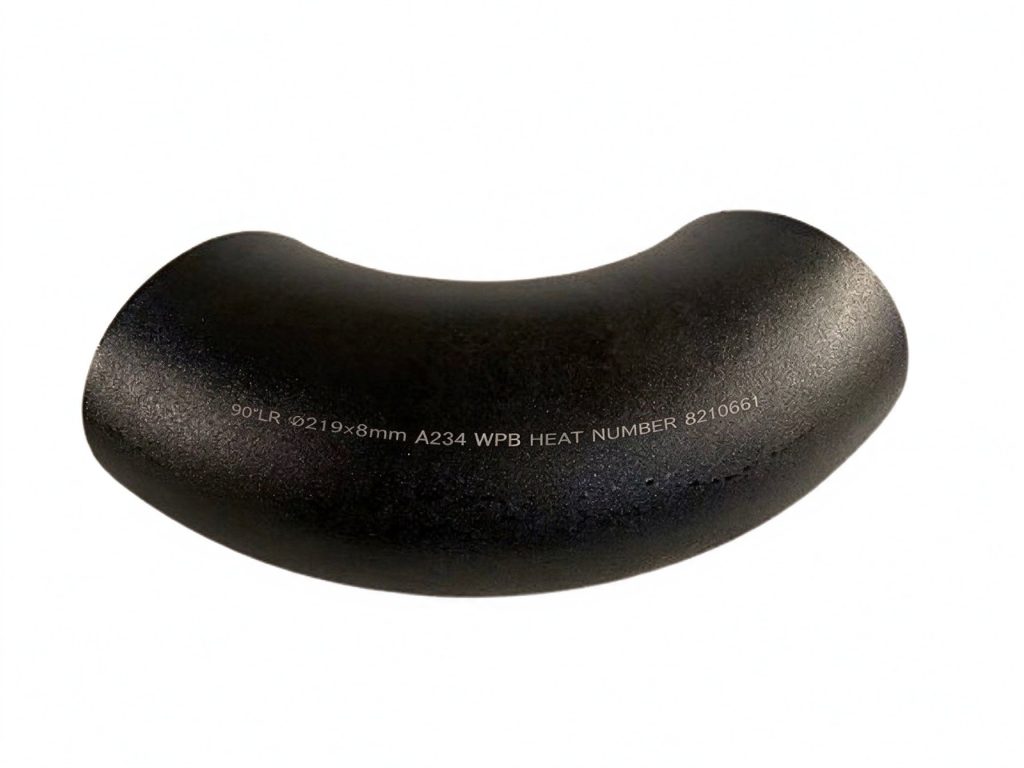
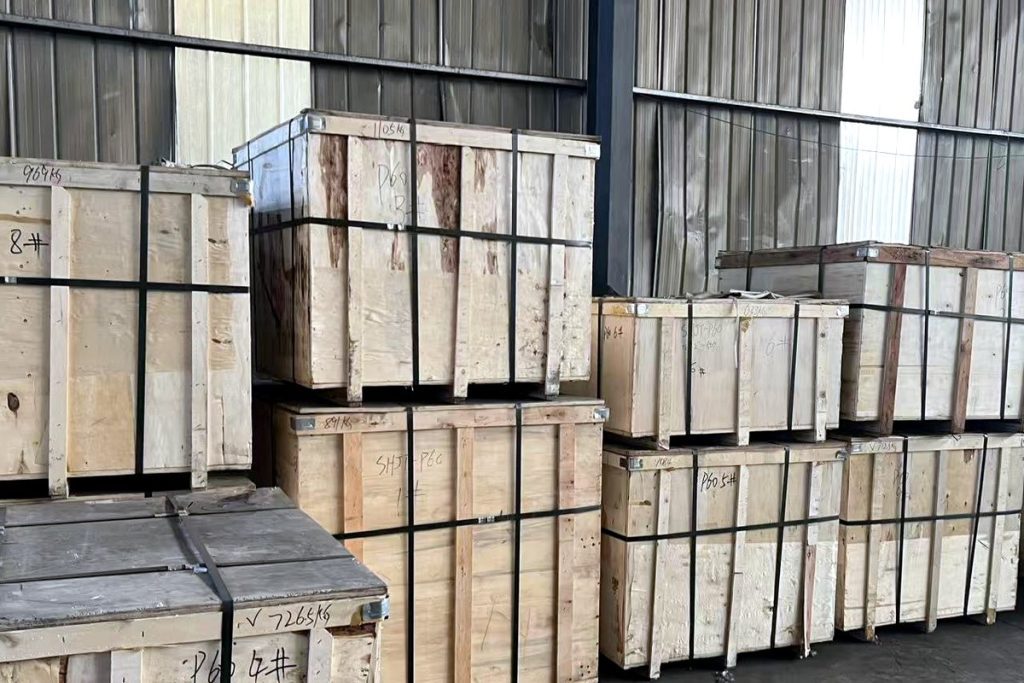
Four factories, four invoices, one 40ft container into Jebel Ali. Where the file breaks: HS 7307.91 against 7307.93, heat numbers on the invoice line, and the six-month re-export clock.
A 20ft container of flanges now costs USD 6,499 — almost five times the import duty. Where the money goes, the 40ft break-even, and why Sohar runs USD 1,000 below Jebel Ali.
MOFAIC invoice attestation costs AED 150 per invoice for UAE imports above AED 10,000, filed on eDAS 2.0. The AED 2,000 figure is for commercial documents.
The SASO and SABER certificates for steel flanges are raised by the Saudi importer, not by the Chinese factory. What the factory supplies, and where files break.
A105 flange quotes from Rajkot and Cangzhou rarely match. Where the gap comes from, and four questions to ask before you switch suppliers.
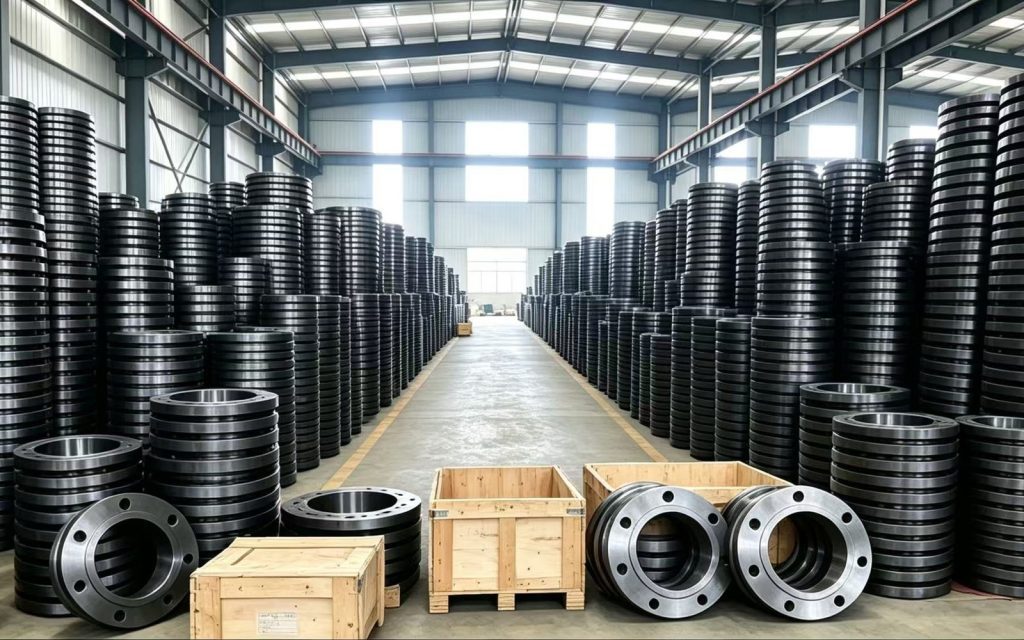
The certificate of origin cannot lower the 5% duty on Chinese steel. It is a customs document, not a tax relief.
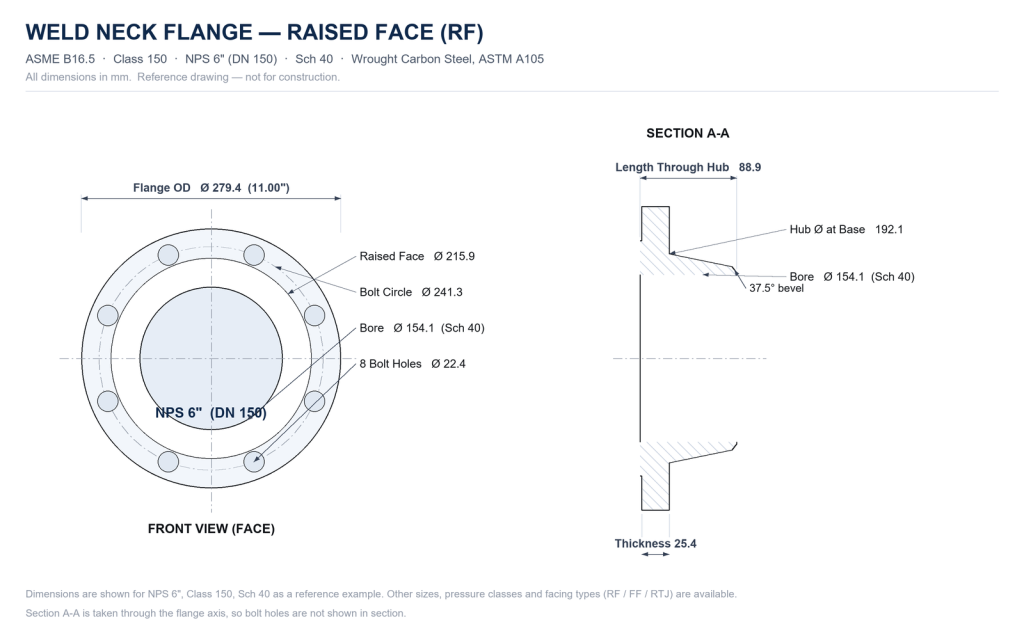
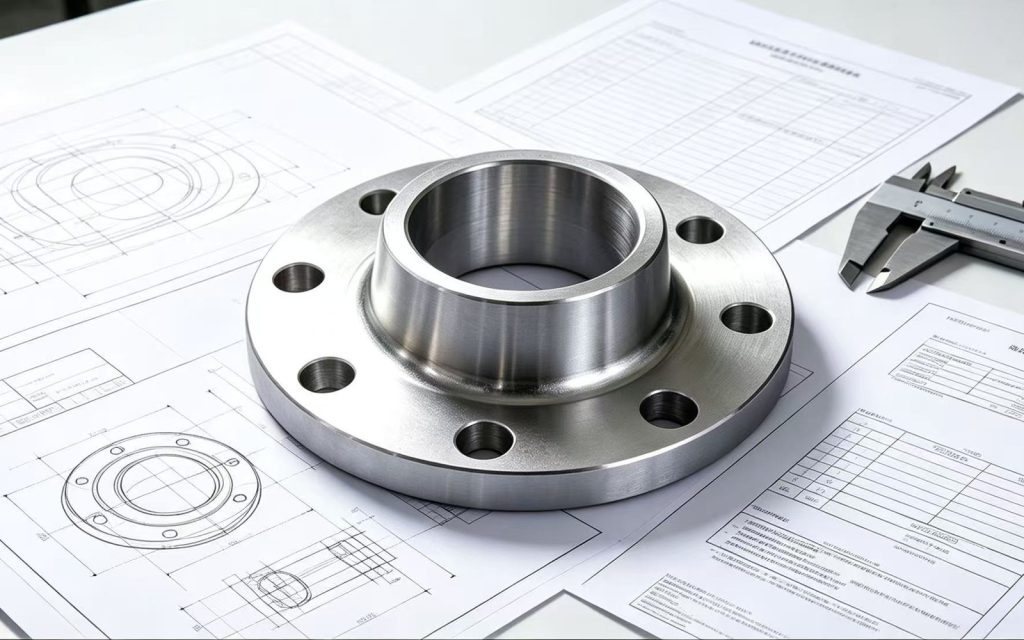
Weld neck flanges to ASME B16.5, 1/2″-24″, Class 150-2500 with B16.25 weld ends. Dimensions table, ASTM A105, EN 10204 3.1 MTC per heat.